
Overview of Tokyo
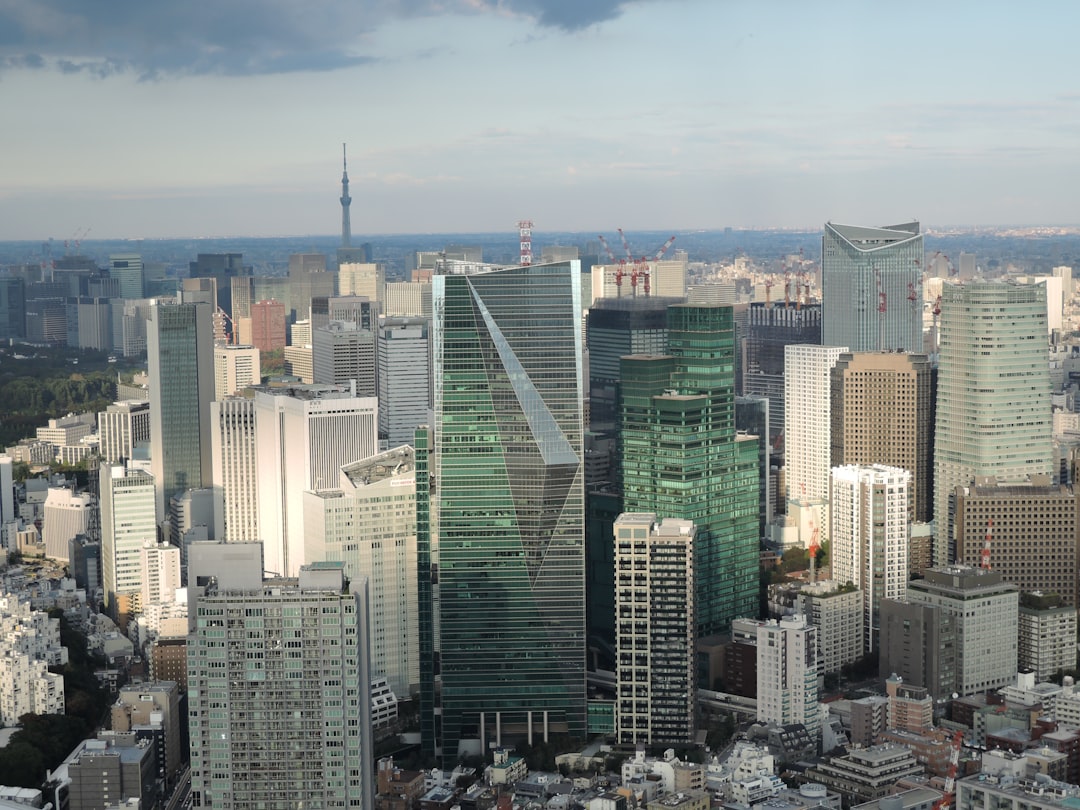
Tokyo, the capital of Japan, is a sprawling metropolis where traditional shrines sit alongside neon-lit skyscrapers and robotic cafes. With over 37 million people in the greater metropolitan area, Tokyo is the worlds most populous urban center yet remains remarkably clean, safe, and efficient. For Indian travelers, Tokyo offers a fascinating glimpse into a culture that values both ancient traditions and cutting-edge innovation. From the serene Meiji Shrine to the bustling Shibuya Crossing, from authentic sushi bars to Michelin-starred restaurants, Tokyo promises experiences that will stay with you long after you return home.
Why Visit Tokyo
Tokyo stands out as a must-visit destination for several compelling reasons. The city offers unparalleled safety, making it ideal for solo travelers and families alike. The public transportation system is among the best globally, ensuring you can navigate the city with ease despite potential language barriers. Food enthusiasts will discover culinary heaven here, with everything from affordable ramen shops at 800-1200 INR per bowl to world-class dining experiences. Technology lovers can explore districts like Akihabara, while culture seekers will appreciate countless temples, gardens, and museums. Shopping ranges from traditional handicrafts to the latest electronics. The Japanese attention to detail and service quality creates a travel experience unlike anywhere else in Asia.
 Top rated
Prices via Booking.com · See all hotels in Japan →
Best Time to Visit Tokyo
The ideal time to visit Tokyo is during spring (March to May) and autumn (September to November). Spring brings the famous cherry blossom season, with peak bloom typically occurring in late March to early April. Parks like Ueno and Shinjuku Gyoen transform into pink wonderlands. However, this is peak tourist season, so expect crowds and higher prices. Autumn offers comfortable temperatures between 15-22 degrees Celsius, stunning fall foliage, and fewer crowds than spring. The weather is perfect for walking and sightseeing. Summer (June to August) can be hot and humid with temperatures exceeding 30 degrees Celsius, plus the rainy season in June. Winter (December to February) is cold but clear, with temperatures around 5-10 degrees Celsius, offering good deals and the magical atmosphere of New Year celebrations.
Find cheap flights to Tokyo
Compare flights on Skyscanner →Getting There from India
Several airlines operate direct and connecting flights from major Indian cities to Tokyo Narita or Haneda airports. Direct flights from Delhi to Tokyo take approximately 7-8 hours. Air India offers direct flights starting from INR 35,000-45,000 for economy class round trips during off-peak seasons, rising to INR 55,000-75,000 during cherry blossom season. From Mumbai, expect similar pricing, though most flights have one stop. Japan Airlines and ANA (All Nippon Airways) also operate routes with fares ranging from INR 40,000-80,000. From Bangalore, flights typically connect through Bangkok, Singapore, or Hong Kong, with total journey times of 10-14 hours and costs ranging from INR 38,000-70,000. Budget-conscious travelers can find connecting flights via Southeast Asian carriers like Thai Airways, Singapore Airlines, or Malaysia Airlines, sometimes as low as INR 32,000-40,000 if booked well in advance. Tokyo has two main airports: Narita (NRT), located about 60 km from central Tokyo, and Haneda (HND), which is closer at just 15 km. Haneda is more convenient for accessing the city center.
Via Viator · See all Japan tours →
Getting Around Tokyo
Tokyo has one of the most efficient public transportation systems in the world. The metro and train network is extensive, with color-coded lines making navigation easier despite Japanese signage. Purchase a rechargeable Suica or Pasmo card (deposit of INR 410 plus credit) at any station for seamless travel across trains, subways, and buses. Average metro rides cost between INR 140-370. A one-day Tokyo Metro pass costs approximately INR 660 and offers unlimited rides. Trains run from 5 AM to midnight, with the famous punctuality ensuring you can plan precisely. Taxis are available but expensive, with base fares starting at INR 535 and rising quickly in traffic. For airport transfers, the Narita Express train to Tokyo Station costs around INR 2,600 and takes about 60 minutes. The Keisei Skyliner is slightly cheaper at INR 2,100. From Haneda, the Tokyo Monorail or Keikyu Line reaches central Tokyo in 15-30 minutes for INR 410-820. Walking is highly recommended for exploring neighborhoods, as Tokyo is pedestrian-friendly with excellent signage.
Top-rated tours in Tokyo
Browse experiences on Viator →Top Things to Do in Tokyo
1. Visit Senso-ji Temple in Asakusa
Tokyos oldest temple, dating to 628 AD, features the iconic Thunder Gate and Nakamise shopping street. Entry is free, and it is best visited early morning to avoid crowds. The surrounding Asakusa area retains an old Tokyo atmosphere perfect for photos.
2. Experience Shibuya Crossing
The worlds busiest pedestrian crossing sees up to 3,000 people cross simultaneously during peak times. Watch from the Starbucks overlooking the intersection or join the organized chaos yourself. Free to experience, and especially photogenic at night.
3. Explore Meiji Shrine and Yoyogi Park
This Shinto shrine sits within a 170-acre forested area in central Tokyo. Entry is free. Witness traditional weddings on weekends and explore the peaceful grounds. Adjacent Yoyogi Park is perfect for picnics and people-watching.
4. Shop and Dine in Harajuku
Famous for youth fashion, Takeshita Street offers quirky boutiques and cafes. Try rainbow cotton candy (INR 330) or crepes (INR 410-740). Nearby Omotesando features high-end shopping and architectural marvels.
5. Visit teamLab Borderless Digital Art Museum
This immersive digital art experience in Odaiba costs approximately INR 2,800 per adult. Book online in advance as it sells out quickly. Allow 2-3 hours to explore the mesmerizing installations.
6. Discover Tsukiji Outer Market and Toyosu
While the famous tuna auction moved to Toyosu, the Tsukiji Outer Market remains vibrant with fresh seafood, street food, and kitchenware shops. Try fresh sushi for breakfast (INR 1,200-2,400) or grilled seafood skewers (INR 330-660).
7. Climb Tokyo Skytree or Tokyo Tower
Tokyo Skytree, at 634 meters, is Japans tallest structure. Observation deck tickets cost INR 2,200-3,300. The classic Tokyo Tower offers similar views for INR 1,200-2,500. Both provide spectacular city panoramas, especially at sunset.
8. Experience Traditional Japanese Gardens
Shinjuku Gyoen National Garden (entry INR 410) features Japanese, English, and French garden styles, spectacular during cherry blossom and autumn foliage seasons. Rikugien Garden offers classic landscape design with seasonal illuminations.
9. Explore Electric Town Akihabara
A paradise for electronics, anime, manga, and gaming enthusiasts. Browse multi-story shops like Yodobashi Camera, visit maid cafes (INR 2,000-3,000 per visit), and hunt for vintage video games and collectibles.
10. Day Trip to Mount Fuji and Hakone
Organized day tours from Tokyo cost INR 8,200-12,300 including transport, lunch, and entry fees. See Japans iconic mountain, cruise Lake Ashi, and ride the Hakone Ropeway for volcanic valley views.
Compare hotels in Tokyo
Search hotels on Booking.com →Where to Stay in Tokyo
Budget Options
Khaosan Tokyo Kabuki in Asakusa offers dormitory beds from INR 1,650 per night with a social atmosphere perfect for solo travelers. Book and Bed Tokyo in Ikebukuro provides a unique concept where you sleep among bookshelves, starting at INR 2,900. Capsule hotels like The Millennials Shibuya offer the quintessential Japanese experience at INR 2,500-3,700 per night with modern amenities and communal areas.
Mid-Range Options
Hotel Gracery Shinjuku (INR 8,200-11,500 per night) features a life-size Godzilla head on the terrace and excellent location. Mitsui Garden Hotel Ginza Premier (INR 9,800-14,800) offers refined service and rooftop onsen baths. Sotetsu Fresa Inn Nihombashi-Kayabacho (INR 6,600-9,000) provides clean, compact rooms with good transport connections.
Luxury Options
The Peninsula Tokyo (INR 41,000-82,000 per night) delivers impeccable service, spacious rooms, and Michelin-starred dining. Park Hyatt Tokyo (INR 49,000-98,000), famous from Lost in Translation, offers stunning city views and the iconic New York Bar. Aman Tokyo (INR 82,000-165,000) brings serene Japanese aesthetics and exceptional service to the Otemachi Tower.
Food and Drink in Tokyo
Tokyo boasts more Michelin stars than any other city globally, but exceptional food exists at every price point. Conveyor belt sushi chains like Sushiro and Kura Sushi offer plates from INR 82-165. Ramen shops such as Ichiran provide customizable bowls for INR 820-1,200. Try standing soba noodle bars near train stations for quick, satisfying meals under INR 500. Izakayas (Japanese pubs) like Torikizoku offer grilled skewers at INR 250-330 each with beer. For special occasions, book kaiseki (multi-course) meals at restaurants like Kikunoi or Ryugin (INR 16,400-41,000 per person). Convenience stores like 7-Eleven and FamilyMart provide surprisingly good onigiri rice balls (INR 90-140), bento boxes (INR 330-575), and fresh sandwiches. Vegetarian options can be limited, but increasing awareness means more restaurants offer plant-based choices. Search for shojin ryori (Buddhist vegetarian cuisine) restaurants. Coffee culture thrives, with specialty shops charging INR 330-575 per cup. Do not miss trying authentic matcha sweets in areas like Kyoto-influenced shops in Tokyo.
Day Trips from Tokyo
Beyond Mount Fuji and Hakone, several destinations make excellent day trips. Nikko, a UNESCO World Heritage site 2 hours north, features ornate shrines like Toshogu and beautiful nature. The JR Pass or individual train tickets cost around INR 2,200-4,100 return. Kamakura, just an hour south, offers the Great Buddha statue, zen temples, and beach towns with a relaxed atmosphere. Train tickets cost approximately INR 820 return. Yokohama, only 30 minutes away, features Chinatown, waterfront developments, and the Cup Noodles Museum. Kawagoe, called Little Edo, preserves historical architecture and traditional candy shops, reachable in 45 minutes for around INR 370. The mountain town of Takao offers hiking trails with Mount Fuji views on clear days, accessible in an hour for INR 650 return.
Practical Information for Indian Travelers
Visa Requirements
Indian passport holders must obtain a visa before traveling to Japan. Apply at the Japanese Embassy in New Delhi or Consulates in Mumbai, Bangalore, Chennai, or Kolkata. Tourist visas require a completed application form, passport valid for minimum 6 months, photographs, flight bookings, hotel reservations, bank statements showing sufficient funds (around INR 250,000 for a week-long trip), and employment proof. Processing takes 5-7 working days. Single-entry tourist visas are generally free of charge, though service fees of approximately INR 500-800 may apply depending on the application center. Multiple-entry visas are available for frequent travelers with previous Japan travel history.
Currency and Money
The Japanese Yen (JPY) is the local currency. The exchange rate fluctuates around INR 0.60-0.65 per Yen. Japan remains largely a cash-based society despite its technological advancement. Carry sufficient cash as many smaller restaurants and shops do not accept cards. Post Office ATMs accept most international cards and charge reasonable fees (around INR 200 per transaction). Seven Bank ATMs in 7-Eleven stores also work reliably with foreign cards. Inform your bank before traveling to avoid card blocks. Credit cards are accepted at hotels, department stores, and major restaurants.
Language
English proficiency is limited outside major tourist areas and international hotels. Download Google Translate app with offline Japanese for signs and menus. Many restaurants display plastic food models, making ordering easier. Learn basic phrases like arigato gozaimasu (thank you) and sumimasen (excuse me). Younger Japanese people generally have better English skills. Train stations have English signage, and announcements are bilingual.
Safety and Etiquette
Tokyo ranks among the safest major cities globally. Violent crime is extremely rare, and you can walk anywhere at night. Petty theft is uncommon, and lost items are often returned. However, remain aware in crowded areas. Follow local etiquette: remove shoes when entering homes, temples, or traditional restaurants; do not eat while walking; speak quietly on trains; do not tip (it can be considered insulting); bow slightly when greeting; and be punctual. Queue properly and do not push. Tattoos can restrict entry to some onsens (hot springs) and gyms due to associations with yakuza, though policies are gradually changing.
Internet and Connectivity
Rent a pocket WiFi device at the airport (INR 600-900 per day) for unlimited internet, or purchase a tourist SIM card (INR 1,650-3,300 for 7-15 days with 1-3GB data). Free WiFi exists at convenience stores, stations, and tourist spots but can be unreliable. Having constant internet access helps with navigation and translation.
Health
No vaccinations are required for travel from India to Japan. Tokyo has excellent healthcare, but medical costs are high without insurance. Purchase comprehensive travel insurance before departure. Tap water is safe to drink. Pharmacies are widespread, though language barriers may complicate purchases. Bring prescription medications in original packaging with a doctors letter if carrying significant quantities.